2026 NASPA Western Regional Conference
November 7-10, 2026 • Vancouver, British Columbia
2026 NASPA Western Regional Conference
November 7-10, 2026 • Vancouver, British Columbia
The 2026 NASPA Western Regional Conference (WRC) provides and engaging engaging environment to learn, connect, and recharge. Designed to foster both professional growth and personal renewal, the conference features thought-provoking educational sessions, innovative practices, and meaningful dialogue that extends well beyond the formal program. Attendees will have opportunities to exchange ideas, build lasting professional relationships, and explore emerging trends shaping higher education and student affairs.
Set against the inspiring backdrop of Vancouver, WRC 2026 is more than a conference, it is an immersive experience, one that energizes participants, broadens perspectives, and strengthens our collective commitment to supporting student success. Whether you are an emerging professional or a seasoned leader, WRC 2026 offers space for reflection, inspiration, and impactful collaboration.
We look forward to learning from your experiences, research, innovations, and best practices. Thank you for helping us create a dynamic and meaningful conference experience for student affairs professionals across the Western Region.
Scheduled Conference Sessions
Knowing that we are better together, we have created a programmatic framework that invites session proposals focused on and expanding upon the following thematic areas: Health, Collective Wellbeing & Basic Needs (HCWB), Belonging, Identity & Community (BIC), and Leadership, Policy & the Future of Higher Education (LPF). The sessions listed below are categorized by thematic area.
| Belonging, Identity & Community (BIC) |
|---|
| Breaking Down Silos: Creating a Connected Student Experience |
| Bridging Communities: Indigenous Perspectives on Disability, Belonging, and Access in Higher Education |
| Building Belonging Before Day One: Designing NET, a Culturally Grounded First-Year Cohort for Alaska Native Students |
| Building Comunidad: Founding and Sustaining Chicanx/Latinx Identity Centros as Sites of Belonging Across the UC System |
| Cohort Models for First-Year STEM Students in Developmental Math Courses |
| Confessions of an Invisible Man - To be Hyper Visible Yet Unseen In Higher Education |
| Construyendo Comunidad: The ROOTED Framework for Identity, Belonging, and Collective Care in Higher Education |
| Cultivating Your Professional Tenacity: Driving Student Curiosity Through Intentional Advising |
| Cultural Empowerment: A Community-Centered Partnership for Elevating Identity, Leadership, and Belonging of Future Healthcare Professionals |
| Finding Your People takes more than a pep rally |
| First-gen Forever: Unpacking First-Gen+ Professional Identities |
| From Assumptions to Action: Supporting Asian American Students Beyond the Model Minority Myth |
| From Belonging to Placemaking: Institutional Approaches and Obligations to Student Success |
| From Feedback to Action: Co-Creating Community with Adult and Online Learners |
| From Funding to Belonging: Building an Identity-Affirming Career Ecosystem |
| From Roots to Stems: Framing our future in Housing, Dining, and Auxiliary Enterprises |
| Generations of Pride: Creating Intergenerational LGBTQ+ Dinners with the Community |
| I Am Because We Are: Measuring Leadership as Collective Care in the Beyond Tomorrow Scholars Program |
| Permission to Thrive: Using BTS to Foster Student and Staff Wellbeing |
| Redefining the Commuter Experience: From Transactional to Transformational |
| Student-Initiated, Student-Sustained: 30 Years of Coalition-Building in the UC System |
| The P5 Promise: 365 Days of Support for Foster Youth |
| Two Systems, One Circle: Restorative Practice Across the U.S.- Canada Border |
| Understanding Culture and Solidarity Through Intersectional Service |
| Using Strengths Based Approaches To Foster Community |
| Utilizing Program Assessment Data to Support Student Sense of Belonging |
| You are Enough! A Panel Discussion by Womxn Identified SA Pros on the Various Roads to Student Affairs |
| Health, Collective Wellbeing & Basic Needs (HCWB) |
|---|
| Beyond the Pantry: Building a Data-Driven Basic Needs Operation Any Campus Can Copy |
| Colega-boration: Your Success Is My Success |
| Collective Wellbeing for Mental Health & Connectedness: Programming for Health Promotion, Belonging, and Culture Change |
| Ensuring All Thrive: Building a Basic Needs Ecosystem for Undocumented Students Through Cross-Campus Partnership |
| From Awareness to Action: The Violence Intervention & Prevention (VIP) Program at UC Irvine |
| Retention & Food Security: Lessons from a Food Credit Pilot |
| Rethinking Wellness: Supporting the Dimensions of Wellbeing for FGLI Students through Collaborations and Community |
| Strength in the Network: Building a Statewide Rural Coalition for Basic Needs, Well-Being, and Civic Engagement |
| We are Not Replaceable: Centering QTBIPOC Wellness through Liberatory Harm Reduction & Community Care |
| Wellbeing in the Workplace: Strategies for Building Resilience in the Body and Mind |
| Western Washington University's Basic Needs Hub: An Ecosystem of Support |
| Leadership, Policy & the Future of Higher Education (LPF) |
|---|
| Beyond Documenting Outcomes: Positioning Student Conduct Administrators as Valuable Partners in AI-Based Academic Misconduct Reports |
| Beyond the Classroom: Countering Resistance to Curricular Learning Outcomes |
| Building a Responsive Professional Development Ecosystem |
| Campus Threat Assessment as Global Strategic Student Affairs Leaders |
| Developing People Through Relationships, Accountability, and Trust |
| Everything you wanted to know about applying for a doctoral degree |
| From 90 to 800: Restructuring Applications for Success |
| Leadership Is a Team Sport: Building Executive Partnerships That Strengthen Organizations |
| Leading with HUMANS: Applying California Community Colleges Human-Centered AI Principles to Student Affairs Practice |
| Leading Your Career with Intention: Building Readiness for What's Next |
| More Than a Good Story: Building the Collaboration Skills That Drive Student Affairs Fundraising |
| One question. Real insights: The UBC Career Readiness Survey Initiative |
| Reviewing for student success – A collaborative and evidence-informed approach to enhancing an experiential learning program for students |
| The Campus is a City - Observations of City Planner joining Student Affairs |
Schedule At-a-Glance
Saturday, November 7, 2026
| Time | Activity |
|---|---|
| 10:00 AM - 5:00 PM | Check-in and Information Desk Open |
| 1:00 PM - 5:00 PM | Institute: Undergraduate Students (additional registration required) |
| 1:00 PM - 5:00 PM | Pre-conference Workshop: Mid-Level Professionals (additional registration required) |
| 1:00 PM - 5:00 PM | Pre-conference Workshop: AVP (additional registration required) |
| 5:30 PM - 7:00 PM | Pre-cons and Institutes Evening Reception. This reception is included in the registration of a Pre-Conference Workshop or Institute. |
Sunday, November 8, 2026
| Time | Activity |
|---|---|
| 7:30 AM - 5:00 PM | Check-in and Information Desk Open |
| 9:00 AM - 1:00 PM | Pre-Conference: Wellness (additional registration required) |
| 9:00 AM - 1:00 PM | Institute: Undergraduate Students (additional registration required) |
| 9:00 AM - 1:00 PM | Institute: Senior Student Affairs Officers (SSAO) (additional registration required) |
| 9:00 AM - 1:00 PM | Institute: Community College (additional registration required) |
| 9:00 AM - 1:00 PM | Pre-Conference: Entry Level Professionals (additional registration required) |
| 1:00 PM - 2:00 PM | Sponsors & Exhibitors Tabling |
| 1:00 PM - 6:00 PM | Regional Advisory Board Meetings |
| 2:30 PM - 3:30 PM | Newcomers Welcome (if this is your first WRC, join us!) |
| 4:00 PM - 5:30 PM | Conference Opening and Featured Speaker |
| 5:30 PM - 7:00 PM | Opening Reception |
| 6:00 PM - 9:00 PM | Museum of Anthropology (MoA) |
Monday, November 9, 2026
| Time | Activity |
|---|---|
| 7:00 AM - 8:00 AM | Wellness Activity |
| 7:30 AM - 8:30 AM | Senior Student Affairs Officers (SSAO) Breakfast |
| 8:30 AM - 12:00 PM | Check-In and Information Desk Open |
| 8:30 AM - 5:00 PM | Sponsors & Exhibitors Tabling |
| 9:00 AM - 10:00 AM | Featured Speakers Panel |
| 10:10 AM - 11:00 AM | Concurrent Sessions |
| 11:10 AM - 12:00 PM | Concurrent Sessions |
| 12:15 PM - 1:45 PM | Lunch and Presentation of Awards |
| 2:00 PM - 4:00PM | Check-In and Information Desk Open |
| 2:00 PM - 2:50 PM | Concurrent Sessions |
| 3:00 PM - 3:50 PM | Concurrent Sessions |
| 4:00 PM - 4:50 PM | Concurrent Sessions |
| 5:00 PM - 6:00 PM | Regional Business Meetings (open to all conference attendees) |
| 8:00 PM | Region Receptions (open to all conference attendees) |
Tuesday, November 10, 2026
| Time | Activity |
|---|---|
| 7:00 AM - 8:00 AM | Wellness Activity |
| 8:30 AM - 11:30 AM | Check-In and Information Desk Open |
| 9:00 AM - 11:00 AM | Sponsors & Exhibitors Tabling |
| 9:00 AM - 9:50 AM | Concurrent Sessions |
| 10:00 AM - 10:50 AM | Concurrent Sessions |
| 11:00 AM - 1:00 PM | Closing Brunch and Featured Speaker |
Require additional registration and fee
The role of the Senior Student Affairs office (SSAO) has fundamentally changed. Today's SSAO must simultaneously be a student advocate, institutional strategist, crisis leader, organizational leader, political navigator, financial steward, and trusted advisor to the president and cabinet. This institute invites SSAOs to step away from the operational functions of the position and examine the leadership demands of the role itself.
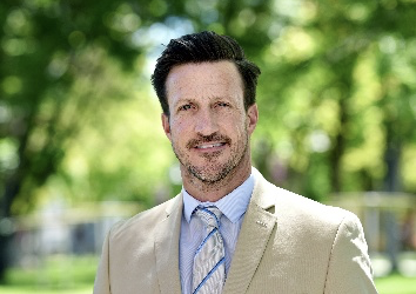
Dr. Paul Bennion
Dean of Student Services, Idaho College of Osteopathic Medicine (Lead - SSAO Institute)
Paul Bennion, is a Pillar of the Profession, affirming his passion and commitment to supporting student success and elevating colleagues in the profession. Dr. Bennion currently serves as Dean of Student Services (SSAO) at the Idaho College of Osteopathic Medicine (ICOM), and previously served as the Vice President for Student Affairs & Dean of Students at the College of Idaho. Paul earned a Bachelors of Arts from Willamette University, Masters of Education from Boston University, and Doctor of Philosophy from the University of Idaho. Some of Paul's involvement in NASPA includes serving as the Chair of the NASPA Foundation, Region V Director, WRC Chair, Small College & University Board Member, and James E. Scott Academy Board member.
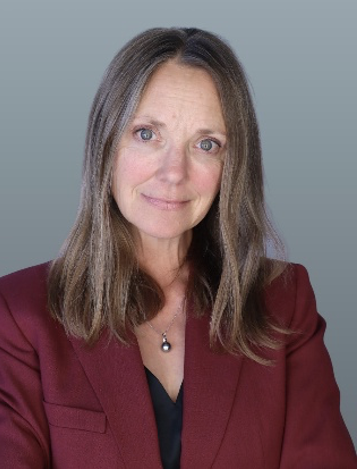
Dr. Leslie Webb,
Vice Provost Student Affairs, University of Montana (Co-Lead - SSAO Institute)
Entering her 30th year in higher education, Leslie is the Vice President for Student Affairs & Enrollment Management at the University of Montana. Bringing an equity mindset to her work, she has a proven track record of strengthening systems and leveraging cross-divisional partnerships to meet the needs of an evolving student population. Leslie is a relational leader and a steward of the student and staff experience.
Institute Facilitator
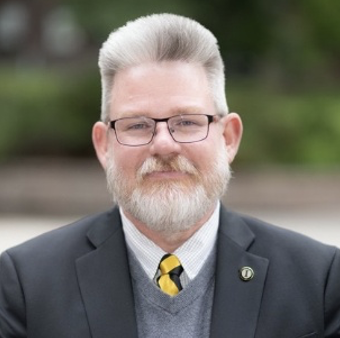
Dr. Blaine Eckles
Vice Provost for Student Affairs & Dean of Students, University of Idaho
Dr. Blaine Eckles has been working professional in higher education for 31 years and is currently serving as the Vice Provost for Student Affairs & Dean of Students at the University of Idaho. A student-centered and relational leader, he brings extensive experience in student affairs, crisis response, organizational leadership, and advancing the student experience. Blaine is committed to building strong teams, strengthening institutional partnerships, and creating environments where students and the people who serve them can thrive.
Registration Fee: $75
Leading Student Affairs Through Complexity, Constraint, and Change
This institute is designed for senior student affairs leaders who serve as the #2, deputy, associate/assistant vice president, dean of students-equivalent, or member of the executive leadership group.
By the end of the institute, participants will have: identified shared leadership challenges across U.S. and Canadian institutional contexts; compared strategies for navigating financial, enrollment, compliance, and workforce pressures; developed language for demonstrating the value of student affairs; and drafted practical tactics for sustaining both institutional momentum and personal leadership capacity.
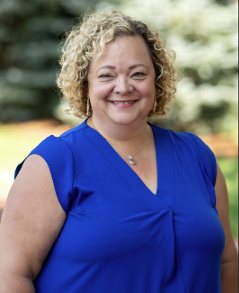
Kim Holapa
Senior Associate Vice Provost for External Relations and Strategic Initiatives, Washington State University (Lead - AVP/DOS Institute)
Kim Holapa is a senior higher education leader whose career at Washington State University has centered on strengthening student experiences through strategic planning, collaboration, resource development, and organizational leadership. As Senior Associate Vice Provost for Student Affairs, she advances priorities that connect institutional strategy with the programs, partnerships, and resources students need to thrive.
In her role, Kim works across Washington State University’s statewide system to develop and scale initiatives that support student success. She partners with campus and university leaders to align planning, strengthen operations, and advance shared priorities. Her portfolio includes leadership and collaboration with teams focused on marketing and communications, development, assessment, information technology, and federally funded TRIO programs. She also helps connect Student Affairs priorities with fundraising strategies, legislative agendas, and external relationships.
Kim’s career at WSU spans leadership roles in Student Financial Services, the College of Education, the WSU Foundation, and Student Affairs. This broad institutional experience has given her a distinctive understanding of how student support, academic programs, philanthropy, communications, and administrative systems work together to advance the university’s land-grant mission. She is known for translating complex challenges into practical strategies, building partnerships across organizational boundaries, and guiding initiatives from concept through implementation.
A committed advocate for inclusive and student-centered leadership, Kim brings a collaborative and results-oriented approach to her work. She values clear communication, mutual accountability, and the thoughtful use of data and assessment to improve programs and decisions. Her leadership is grounded in creating environments where students and staff can succeed, while ensuring that institutional commitments are supported by strong structures, responsible stewardship, and sustainable practices.
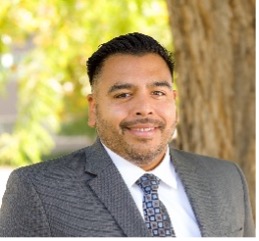
Dr. Freddie Sanchez
Associate Vice President of Student Affairs, Equity and Inclusion at California State University, Northridge (CSUN)
Dr. Freddie Sánchez is an advocate for social justice, equity and inclusive practices in higher education. Being the son of immigrant parents and a first-generation college graduate with beginnings in South Los Angeles has guided his passion to serve as an advocate and student affairs leader who creates educational opportunities for students to thrive. Dr. Sánchez serves as the Associate Vice President of Student Affairs, Equity and Inclusion at California State University, Northridge (CSUN), providing leadership to various departments, including the Center on Disabilities, Disability Resources and Educational Services, National Center on Deafness, University Student Union, College Corps, Black Scholars Matter and the Identity-Based Resource Center Cluster. He also provides direction on equity and inclusive practices at the division and campus levels. Dr. Sánchez teaches in the Educational Leadership and Policy Studies master's program at CSUN.
Dr. Sánchez is involved at various regional and national levels, including currently serving as the NASPA Community, Access and Professional Pathways Division Director (NASPA Board Member), served as past co-chair for the Latinx/a/o Knowledge Community and a member of the California State University Young Male of Color Consortium. Dr. Sánchez holds a B.S. in Financial Mathematics and Statistics, a B.A. in Spanish, both from the University of California, Santa Barbara, an M.Ed. in Postsecondary Administration in Student Affairs from the University of Southern California and a Ph.D. in Education with an emphasis in Educational Equity from San Diego State University and Claremont Graduate University.
I'm a new Text block ready for your content.
Registration Fee: $75
The 2026 NASPA Western Regional Conference (WRC) is more than an event—it’s a space to recharge, reimagine, and illuminate the future of student affairs. As community colleges across the western United States and Canada navigate rapidly evolving administrative policies, funding shifts, and political pressures, student affairs leaders are being called to respond with clarity, courage, and creativity.
Join us in Vancouver to shape the future of student affairs—together. Gain actionable strategies. Build lifelong connections. Leave with renewed clarity, confidence, and a recharged sense of purpose.
| Sunday, November 8, 2026 | | |
|---|---|---|
| 9:00 AM - 9:15 AM | Welcome | CCI Co-Chairs Dr. Lui Amador (Dean, Student Equity and Success, Cerritos College) Dr. Greg Toya (Dean, Student Affairs, Santa Ana College) |
| 9:15 AM - 10:15 AM | Recharge | Dr. Chris Elquivabal (Dean Accessibility Services, Cerritos College) |
| 10:15 AM - 11:15 AM | Reimagine | Dr. Jonathan Lord (Vice President of Student Affairs and Enrollment Management, College of Southern Idaho) |
| 11:15 AM -11:30 AM | Break/ Transition Time | |
| 11:30 AM - 12:45 PM |
Current Context Illuminate the Future of Community College Student Affairs |
CCI Co-Chairs - Numbers of community college, students Dr. Adan Sanchez (Dean, Student Affairs, San Diego City College) David Alvarez (Academic Advisor, Seattle Central College) |
| 12:45 PM - 1:00 PM | Closing & Reflection Activity | CCI Co-Chairs |
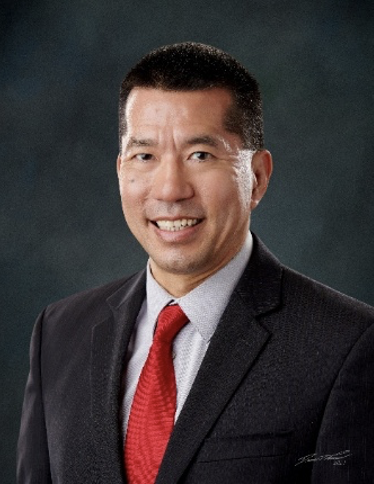
Dr. Greg Toya
Dean of Students Affairs, Santa Ana College (Co-Lead - Community College Institute)
Dr. Gregory J. Toya (he/him/his) is a higher education student affairs leader with 30 years of experience in all three California public higher education system. As the Dean of Student Affairs at Santa Ana College, Dr. Toya oversees programs and initiatives that increase student enrollment, equity, and success, including Outreach, TRiO, Veterans Resource Center, Guided Pathways, Affinity Groups/Cultural Centers, Digital Dons (laptop loan), and Commencement.
Dr. Toya’s expertise and advocacy with community colleges is demonstrated by serving as the Director (2024-2026) and immediate past Director (2026-2027) of the NASPA Community College Division. Dr. Toya also supports NASPA by serving on the Board of Directors, NASPA Governance Task Force committee and Governance Task Force Implementation Team, NASPA Selection and Awards Committee and NASPA Nominations and Resolutions Committee. Dr. Toya is co-leading the NASPA 2026 Western Regional Conference Community College Institute. Dr. Toya received the NASPA 2025 Region VI Community College Professional award and is a recipient of the NASPA APIKC Henry Gee Outstanding Mentoring award.
Dr. Toya served as President and Treasurer of the California Council of Cultural Centers in Higher Education (CaCCCHE) and produced a grounded theory describing the impact of staff and students on promoting the success of disproportionately impacted students. Moreover, Dr. Toya serves on the leadership team for the Men of Color Action Network (MOCAN) which is an active support network to advocate for California Community College men of color. Dr. Toya also promoted the success of Asian, Pacific Islander, and Desi American students and student affairs professionals through his tenure as the NASPA APIKC Co-Chair.
Prior to Santa Ana College, Dr. Toya served as the Director of Student Development at El Camino College and various positions at California State University, San Marcos (CSUSM), San Diego State University, University of California, Davis, University of California, Irvine (UCI), University of California, Berkeley. Dr. Toya also taught English as an Assistant Language Teacher in rural Japan as a participant in the Japan Exchange Teaching (JET) program.
Dr. Toya is a first-generation graduate earning a bachelor’s degree in Social Ecology from UCI, a master’s degree in counseling and Student Development from the UMD and a doctorate in Educational Leadership from the University of California, San Diego and CSUSM. Dr. Toya is an avid Los Angeles Dodgers fan, enjoys playing tennis, pickleball, softball, and basketball, is a foodie, and loves house rabbits.
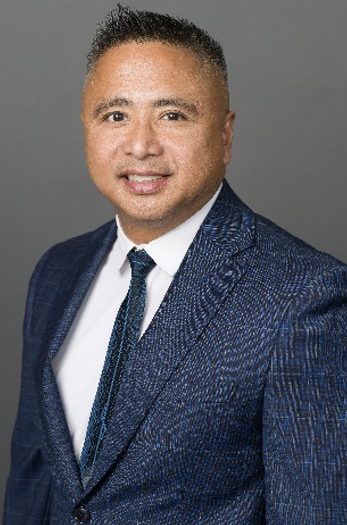
Dr. Lui Amador
Dean Student Equity and Success, Cerritos College (Co-Lead - Community College Institute)
Dr. Lui Amador (he/him/his) is a higher education student affairs leader with more than 32 years of experience advancing student success, equity, and inclusion across the California Community Colleges, California State University, and University of California systems. As the Dean of Student Equity and Success at Cerritos College, Dr. Amador provides leadership for a broad portfolio of programs and services that support student access, retention, belonging, and success, including Justice Scholars, EOPS/CARE, CalWORKs, Veterans Resource Center, International Student Services, Study Abroad, Undocu Student Services, LGBTQ+ Student Services, LINC/NextUp, and the Equity Center. He also leads campus efforts related to student equity planning and institutional initiatives focused on closing equity gaps and improving outcomes for disproportionately impacted student populations.
Throughout his career, Dr. Amador has been committed to creating educational opportunities and support structures for students from historically underserved communities. At Cerritos College, he led the establishment of the Equity Center and Justice Scholars Program and secured significant state and federal grant funding to expand services for justice-impacted students and student veterans. His professional experience includes leadership roles in student equity, educational opportunity programs, veterans services, multicultural affairs, student leadership development, and student engagement initiatives.
Prior to joining Cerritos College, Dr. Amador served as Director of the Educational Opportunity Program at California State University, Los Angeles; Director of Student Equity at Long Beach City College; Director of the Veterans Resource Center at California State University, Fullerton; Associate Director of Student Life at California State University, Dominguez Hills; and Coordinator of the Multicultural Center at California State University, Dominguez Hills. Earlier in his career, he served as the inaugural Coordinator of the Asian & Pacific Islander Student Center at California State Polytechnic University, Pomona.
In addition to his administrative leadership, Dr. Amador has taught courses in Veteran Studies, Ethnic Studies, Educational Opportunity Programs, Cultural Studies, and Asian American Studies at the University of California, Irvine; Loyola Marymount University; California State University, Dominguez Hills; and California State Polytechnic University, Pomona. His work has consistently focused on leadership development, cultural identity, equity, social justice, and student success.
Dr. Amador served in the United States Marine Corps Reserve and remains committed to supporting military-connected students and veterans in higher education. He earned a Bachelor of Arts in Politics from the University of California, Santa Cruz; a Master of Arts in Cultural Studies from Claremont Graduate University; and a Doctor of Education in Educational Leadership from California State University, Long Beach, where he graduated summa cum laude.
Outside of work, Dr. Amador is a visual artist who utilizes painting, sculpture, and woodworking as his primary creative mediums. He also enjoys travel, community engagement, cheering on the Los Angeles Dodgers, and spoiling his grandchildren despite occasional protests from their parents.
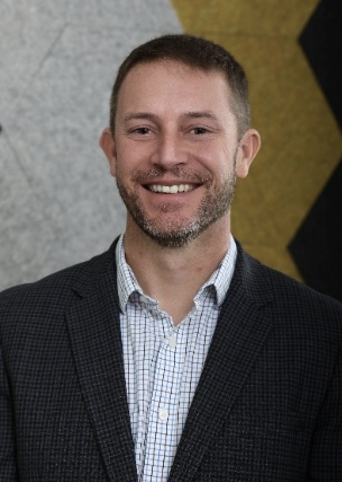
Dr. Jonathan Lord
Vice President for Student Affairs and Enrollment Management at the College of Southern Idaho
Jonathan Lord, Ed.D. is a community college executive with more than a decade of progressively responsible leadership experience spanning student affairs, enrollment management, academic administration, and teaching. He currently serves as Vice President for Student Affairs and Enrollment Management at the College of Southern Idaho, where he provides executive leadership for institutional strategy, student success, marketing and communications and access initiatives at a comprehensive, multi‑campus community college. In this role, he oversees more than 80 employees and contributes to the management of a $60‑million‑plus institutional budget.
Dr. Lord is widely recognized for his success in strategic enrollment management and institutional turnaround work. As Dean of Student Access, he led the development and implementation of a comprehensive Strategic Enrollment Management plan that reversed multi‑year enrollment declines and produced five consecutive years of enrollment growth, culminating in record‑high enrollment. His work strengthened recruitment pipelines, expanded dual enrollment partnerships serving more than 7,000 students annually, and generated sustainable new revenue for the institution.
An equity‑driven leader, Dr. Lord played a central role in guiding the College of Southern Idaho to Hispanic‑Serving Institution designation, expanding bilingual services, culturally responsive student support, and first‑generation student success initiatives. He has launched cohort‑based mentorship models to improve persistence and completion for underserved students and has advanced affordability efforts, including the colleges first 529‑matching college savings initiative.
Dr. Lord brings deep experience in shared governance, fiscal stewardship, and community partnership. He has chaired cross‑functional councils, led transparent change processes during periods of organizational restructuring, and worked collaboratively with faculty, staff, unions, and student leaders. Beyond the college, he has served as Board Chair for a K–12 school district, strengthening alignment between secondary and postsecondary education, and currently serves on multiple regional and national boards focused on workforce development, technology, and community college leadership.
His background also includes service as a faculty member, department chair, and assistant dean, providing him with a comprehensive understanding of the academic enterprise. Nationally, Dr. Lord has presented and published on enrollment management, student success, and rural and Hispanic‑Serving Institution leadership. He holds an Ed.D. in Higher Education Leadership, with research focused on collaborative leadership in community colleges, and is recognized for his approachable, transparent, and people‑centered leadership style.
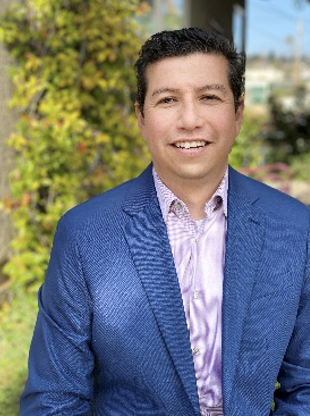
Dr. Adan Sanchez
Dean of Student Affairs at San Diego City College
Dr. Adan Sanchez (él, he, him) is currently serving as the Dean of Student Affairs at San Diego City College. Dr. Sanchez has over 20 years of service in higher education and carries a wide range of experiences focused on facilitating student development programs, creating empowering learning environments, as well as implementing sustainable and intentional initiatives to improve retention and completion rates for underserved and underrepresented students in higher education. As a scholar-practitioner, Dr. Sanchez has led the development and implementation of transitional programs and services through an equity-minded framework that enables diverse students to maximize their curricular and co-curricular experiences. He remains deeply committed to student development efforts from a diversity, equity, and inclusion framework in large part because of his own educational and cultural experiences as a first-generation college student who immigrated from Mexico and learned English as a second language.
With his family’s support, Dr. Sanchez completed the joint doctoral program from the University of California, San Diego and California State University, San Marcos where he focused his dissertation on evaluating curricular and co-curricular community college institutional practices to better support Latino/a/x students’ multiple identities and their intersection to enhance student retention and overall success. He also earned a Master of Arts in Leadership with an emphasis in Higher Education Administration and a Bachelor of Arts in Spanish from the University of San Diego.
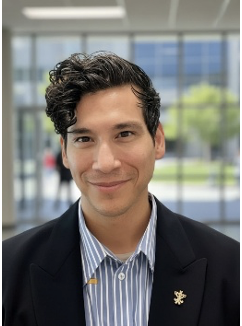
Dr. Christopher Elquizabal
Dean of Student Accessibility and Wellness Services at Cerritos College
Dr. Christopher Elquizabal, Dean of Student Accessibility and Wellness Services at Cerritos College. In this role, Dr. Elquizabal oversees the Student Accessibility Services Office, Student Health Services, and TRIO. With more than 15 years of experience advancing equity and access for underinvested students, their work sits at the intersection of mental health, disability justice, and postsecondary leadership.
Dr. Elquizabal has been featured on NPR’s LAist and The Justice Files on KBLA, where they provided insight on disability justice, mental health, and leadership in higher education. Prior to joining Cerritos College, they served as Associate Director of the Center for Accessible Education and ADA/504 Compliance Officer at UCLA.
They hold an Ed.D. from the University of Southern California, an M.Ed. from Harvard University, and a B.A. from California State University, Long Beach. Dr. Elquizabal also serves as an adjunct faculty member at USC, where they teach graduate-level courses on disability in higher education, bridging policy, practice, and advocacy to support more inclusive and human-centered learning environments.
David Alvarez
Academic advisor at Seattle Central College
David Alvarez has spent more than a decade of his life either studying or working at Seattle Central College. As a student, David was an active honors student who served as orientation leader, editor for the student newspaper, student office assistant, and tutor until he graduated in 2012.
David served in AmeriCorps experience with the defunct Washington Reading Corps at Solid Ground (2012-2013). David was a literacy tutor for k-2 students placed at a high needs Title I School where over 80% of the students were on free or reduced fee lunch. This experience enhanced David’s drive, passion and focus on social justice. After completion of his AmeriCorps service, David spent the next 4 months (August 2013-December 2013) teaching English in China to middle and high school students in the province of Guangzhou.
David finally started University of Washington in January of 2014 and was involved with several student clubs, committees, and leadership programs. David graduated with Departmental Honors and was awarded a Department of Communications award for Outstanding Undergraduate Honors Thesis. David was a fellow of the NASPA National Undergraduate Fellowship Program (NUFP) during the 2017-2018 school year where he completed a recommendation report for the University of Missouri Division of Student Life highlighting areas of improvement in relation to equity and inclusion.
David returned to Seattle Central College as a working professional. Originally hired as a tutoring center program assistant in August of 2019, he transitioned into The Office of Student Leadership as activities and events coordinator and program coordinator. Since March 2023, he is currently serving as an academic advisor primarily for associate of business students. His biggest accomplishment as a full-time employee was during the 2023-2024 school year when he was chair of the college president’s advisory council and served as a contributing editor to the district wide strategic plan. David is preparing to apply to graduate school as the next step in his professional journey.
Brier Albano
Vice President of Student and External Relations at Selkirk College
Brier Albano, Vice President of Student and External Relations at Selkirk College has worked in the post-secondary sector in Canada and overseas for just over 20 years.
Brier’s career started as an admissions & recruitment officer at the University of Calgary and progressed into the team lead for recruitment, which led to four years overseas at the University of Calgary-Qatar in Doha focusing on student services and success. Upon her arrival back to Canada, she landed in Medicine Hat, Alberta where she held a variety of operational and management roles across both the student and registrar portfolios between 2012 and 2021. Brier next arrived in the role of Selkirk College registrar in August 2021, moving to Associate Vice President, Students in 2023, and finally moving into her current role of Vice President, Students and External Relations in Spring 2026.
Brier holds two undergraduate degrees from the University of Calgary and a master’s degree in public administration from the University of Victoria.
Dr. YeVonne Allen, Vice President of Student Services at Truckee Meadows Community College
Dr. YeVonne Allen believes deeply in the power of education to expand opportunity, strengthen communities, and change lives. She serves as Vice President of Student Services at Truckee Meadows Community College in Reno. A first-generation college student, Dr. Allen earned her PhD in Education from the University of Nevada, Reno. Her academic journey has been enriched by certificates from Harvard University and the University of Michigan, and she is a former Fellow of the National Forum on Higher Education for the Public Good.
Beyond campus, she is a mayoral appointee and Vice Chair of the City of Reno Civil Service Commission, a Trustee with Keep Truckee Meadows Beautiful, and dedicates her time to many local community organizations.
Dr. Allen believes in leaving things better than she found them, whether for a student, a team, or a community.
Registration Fee: $75
The Undergraduate Student Institute at the Western Regional Conference (WRC) is a multi-day, immersive pre-conference experience. It is designed to mentor, develop, and connect undergraduate fellows exploring careers in student affairs and higher education.
Learning Outcomes
From active engagement in the undergraduate student institute, participants will:
| Day 1 | Saturday, November 7 | 1:00pm-5:30pm |
Day 2 | Sunday, November 8 | 9:00am-1:00pm |
|---|---|
| Facilitator Introductions & Institute Community Norms |
Cohort Check-In & Day 1 Review |
| NASPA Undergraduate Fellows Program (NUFP) & Opportunities for Student Affairs Exploration | Who I Am: Connections & Telling Our Stories |
| Institutional Types & Competencies Panel | Graduate Students & Early Career Professionals Panel |
| Day 1 Wrap Up: Takeaways, Reflections, Questions | Sustainability & Wellness in Student Affairs/Higher Education |
| | Day 2 Wrap Up: Assessment, Certificates, & Recognitions |
Nancy T. Nguyen
Assistant Dean of Students, Stanford University (Co-Lead - Undergraduate Student Institute)
Nancy T. Nguyen (She/Her/Hers) was first introduced to Student Affairs through the NASPA Undergraduate Fellows Program (NUFP) at an undergraduate student at the University of the Pacific. Through NUFP, she built a network of mentors who have not only shaped and contributed meaningfully to her professional career but have also become lifelong friends and chosen family.
Nancy is passionate about developing the next generation of student affairs professionals. For the past 10+ years, she has remained engaged with NASPA undergraduate initiatives, in particular, serving as a NUFP mentor, as a board member on the NUFP Advisory Board, as Dungy Leadership Institute faculty, as co-coordinator of the campus-based NUFP program at San Jose State University, and as a presenter at various undergraduate pre-conferences. She looks forward to bringing her past experiences to help shape and lead this year’s NASPA WRC Undergraduate Institute.
Nancy currently serves as the Associate Dean of Students in the Office of Community Standards at Stanford University. Previously, she held campus life roles at San Jose State University (SJSU), Cal State San Marcos, and UC San Diego.
Outside of Student Affairs, you can usually find Nancy at Orangetheory Fitness, Costco, or Disneyland!
Brandon K. Langford
Director of Housing & Residential Education at California State University Channel Islands (Co-Lead - Undergraduate Student Institute)
Brandon K. Langford (He/Him/El) was introduced to Student Affairs through the NASPA Undergraduate Fellows Program (NUFP) while attending the University of California, Santa Barbara. Through NUFP, he experienced the transformative power of mentorship and found a professional community that affirmed his potential. He has since remained connected to the program as a NUFP mentor, supporting undergraduate students as they explore careers in Student Affairs and develop their identities as emerging professionals.
Brandon is passionate about developing the next generation of student affairs leaders, particularly students from historically underrepresented communities. His approach to mentorship and leadership is also influenced by his membership in Alpha Phi Alpha Fraternity, Inc. He looks forward to bringing these experiences to this year’s NASPA Western Regional Conference Undergraduate Institute and helping participants build community, confidence, and a sense of purpose within the profession.
Brandon currently serves as the Director of Housing & Residential Education at California State University Channel Islands. In addition to serving in multiple roles at Cal State Channel Islands, Brandon has held multiple positions at UC Santa Barbara, Syracuse University, and multiple non-profits. His professional experience includes housing and residential education, cultural engagement, leadership development, and equity-centered programming.
Brandon earned his bachelor’s degree from UC Santa Barbara and his master’s degree from Syracuse University. He is currently pursuing his Doctorate of Education in Educational Leadership at California Lutheran University.
Outside of Student Affairs, you can usually find him enjoying Pokémon, anything Marvel related, and exploring new food places with his Fiancé Imosemen.
Registration Fee: $25
Require additional registration and fee
This interactive pre-conference institute is designed for graduate students, new professionals, and early career practitioners who are preparing to launch or strengthen their careers in student affairs. Through facilitated dialogue, reflective activities, case studies, and peer learning, participants will explore the evolving role of student affairs, examine current challenges facing the profession, connect theory to practice, and develop an individualized professional growth plan.
Participants will leave with practical strategies, expanded professional networks, and greater confidence in navigating their careers while remaining grounded in their personal values and commitment to student success.
Participants will:
| Potential Agenda |
|
|---|---|
| 8:00 AM – 8:20 AM |
Welcome, Introductions & Building Community |
| 8:20 AM – 9:00 AM | The Student Affairs Profession: Where We’ve Been & Where Were Going |
| 9:00 AM – 9:45 AM | Leadership Identity: Understanding Yourself as a Professional |
| 9:45 AM – 10:00 AN | Break |
| 10:00 AM – 10:45 AM | Case Study Roundtables: Navigating Real Student Affairs Challenges |
| 10:45 AM – 11:15 AM | Career Planning, Mentorship/Sponsorship & Professional Associations |
| 11:15 AM – 12:00 PM | Leadership Across the Career Span (Joint Session with SSAO Institute) |
| 12:00 PM – 12:25 PM/12:30 PM | Personal Leadership Action Plan & Closing Reflections |
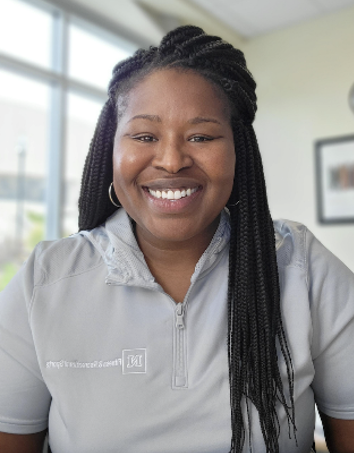
Dr. Sheena Harvey
Director Fitness and Recreational Sports, University of Nevada, Reno (Lead - Entry Level Pre-Con)
Dr. Sheena Harvey is Director of Fitness & Recreational Sports at the University of Nevada, Reno, where she has served students for more than two decades. A student affairs practitioner and educator, Dr. Harvey is committed to student success, leadership development, and creating meaningful pathways for students and emerging professionals to thrive in higher education. Her work centers on connection, mentorship, professional engagement, and innovative approaches to wraparound student support. She has held leadership roles with NASPA Region V and NIRSA and currently serves as Region V Co-Chair for Knowledge Communities, with a focus on strengthening engagement, onboarding, and leadership pathways for members, particularly new professionals. As Lead for the Entry-Level Professional Pre-Conference, she brings a practitioner-scholar perspective grounded in leadership, reflection, career development, and a deep commitment to supporting the next generation of student affairs professionals.
Registration Fee: $50
Student Affairs Leadership and Flourishing: Shaping Environments, Relationships, and Organizational Practices that Support Collective Wellbeing
Purpose:
Equip student affairs leaders to foster collective wellbeing by embodying flourishing personally, relationally, and organizationally.
Description:
As student affairs leaders, we spend our careers creating conditions for students and colleagues to thrive. Yet many of us are navigating increasing complexity, constant change, and growing demands that can leave our own wellbeing overlooked. What if flourishing wasn't another initiative to implement, but a way of leading?
Drawing on the work of Corey Keyes, this highly interactive workshop invites mid-level leaders to explore the "multivitamins of flourishing"—helping others, continuous learning and growth, transcendence and meaning, play, and high-quality relationships—as essential ingredients for both personal wellbeing and healthy campus cultures.
Through reflection, conversation, experiential activities, and collaborative design, participants will experience these practices firsthand and examine how they show up in their own leadership. Together, we will explore how leaders cultivate belonging, model sustainable ways of working, create opportunities for growth, connect teams to purpose, and foster cultures where people can thrive.
By the end of the workshop, participants will:
Join us to reimagine leadership through the lens of flourishing—and discover how small, intentional practices can create lasting cultural change.
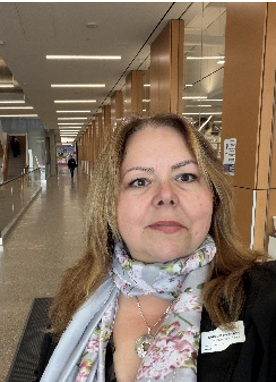
Kathleen Massey
Vice Provost for Students, University of Lethbridge (Lead - Mid-Level Pre-Con)
Kathleen Massey is an experienced senior leader in student affairs, with a national and international track record for leading many transformational and innovative initiatives to support student success. As the Vice Provost (Students) at the University of Lethbridge in Canada, she leads Student Affairs and works with colleagues across the University to develop and deliver an exemplary student experience. Kathleen is also an expert in strategic enrollment management (SEM). Originally from Toronto, she has held additional senior positions across Canada, including in Montreal, Calgary, and Toronto.
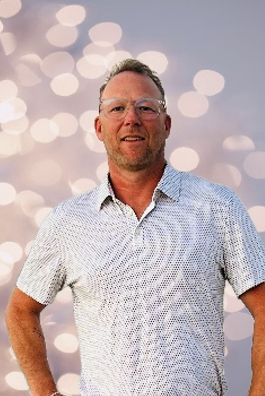
Dr. Mark Slomp
Executive Director, Student Services, Student Affairs, University of Lethbridge
Dr. Mark W. Slomp is a Registered Psychologist and Executive Director of Student Services at the University of Lethbridge. He has presented provincially, nationally, and internationally on topics related to career counseling and human flourishing. A critical element of his own personal flourishing is daily access to hot, black, coffee, good books, and great music.
Registration Fee: $75
Promoting Collective Wellbeing: From within Student Affairs to being part of building a healthy campus
Health, Collective Wellbeing, and Basic Needs (HWB) are one of three pillars of the 2026 Western Regional Conference Curricular Framework. This pre-conference centers the wellbeing aspect of HWB and will situate attendees to draw inspiration from the University of British Columbia’s Gateway Health Building.
UBC has decades of investments in the health promoting campus (HPC) approach, which centers on what actively creates health, rather than just preventing illness. This session is for anyone new to the approach, or looking to share ideas with colleagues on how to implement it at their own campus among student affairs professionals.
We will trace the history of the HPC movement and dig in to the Okanagan Charter and Limerick Framework for action. Participants will gain a shared language and foundational tools to integrate salutogenic principles back to their home institutions.
Shifting the lens inward, the program will also address the vital connection between institutional environments and personalized sustainability. Through interactive sessions and a panel of diverse student affairs leaders sharing their personal wellness journeys, struggles, and triumphs, participants will explore the intersections of occupational, emotional, and systemic wellness.
By the end of the workshop, participants will:
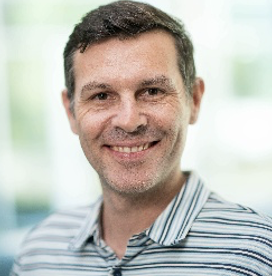
Dr. Matt Dolf
Director Wellbeing Strategy and Health Promotion, University of British Columbia (Tri-Lead - Wellness Pre-Con)
Dr. Matt Dolf is Director of Wellbeing & Health Promotion at the University of British Columbia (UBC) in Vancouver, Canada. In this role he provides strategic leadership for UBC Wellbeing, a university-wide initiative to create a health-promoting campus where all people and communities can thrive. He serves as Co-Chair and on the leadership team of the International and Canadian Health Promoting Campus Networks and was a key contributor to both the Okanagan Charter and the Limerick Framework for Action. He recently co-edited a book: Health Promoting Universities: Advancing Well-Being through a Systems Approach. Dr. Dolf holds a PhD in Sport and Sustainability from UBC and brings decades of international experience in the areas of health promotion, sustainability, and higher education.
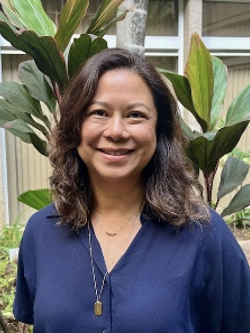
Jen Pagala Barnett
Associate Director of SEED, UH Manoa (Tri-Lead - Wellness Pre-Con)
Jennifer “Jen” Pagala Barnett (she/her) is a 1.5-generation Filipino immigrant and first-generation college graduate with over 19 years of experience in higher education and student affairs. She currently serves as the Associate Director of SEED at the University of Hawaiʻi at Mānoa, where she helps lead community-centered initiatives and prioritizes mentorship as a core practice in supporting students and emerging professionals. Jen earned her undergraduate degree in Social Work and her MSW and MEd in Higher Education Administration from the University of Hawaiʻi at Mānoa.
Guided by the mentorship she has received throughout her journey, Jen is deeply committed to cultivating belonging, developing leadership, and building community in higher education. She is also passionate about centering wellness in the difficult and meaningful work of student affairs, recognizing the importance of creating sustainable practices, spaces of care, and communities that support the well-being of the professionals who dedicate themselves to supporting others.
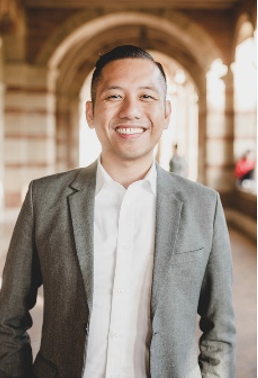
Dr. Gerald Corporal
Event Services Manager, University of Washington (Tri-Lead - Wellness Pre-Con)
Gerald Corporal (he/him/his) serves as Event Services Manager at the University of Washington. His prior roles and functional areas of expertise span student engagement and success (Seattle University), academic advising and career services (University of Southern California), and alumni relations (University of California, Los Angeles). He involvement in NASPA includes service on multiple national Leadership Teams for the Asian Pacific Islander Knowledge Community, selection to deliver multiple general session presentations, and he currently serves on the Faculty Initiatives & Scholarly Papers Subcommittee of the Conference Leadership Committee for the 2027 Annual Conference in National Harbor.
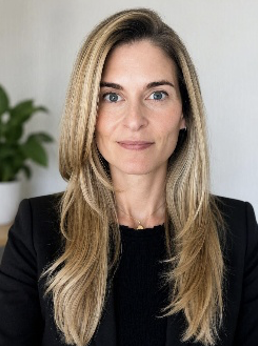
Crystal Hutchinson
Senior Lead, Workplace Wellbeing Strategies at the University of British Columbia
Crystal Hutchinson, MEd, ACC, works at the intersection of workplace health promotion, organizational development and psychological health and safety. As Senior Lead, Workplace Wellbeing Strategies, within Human Resources at the University of British Columbia (UBC), she leads the development and implementation of systemic, university-wide strategies that foster psychologically healthy and safe workplaces. In this role, Crystal provides strategic leadership and operational oversight for the Workplace Wellbeing team. With more than 15 years of experience in health promotion, health education and organizational wellbeing, Crystal brings deep expertise in translating evidence-informed practices into meaningful organizational change. She was a key collaborator in the development of the 2015 Okanagan Charter: An International Charter for Health Promoting Universities and Colleges and is passionate about influencing systems, policies and practices that advance equitable, sustainable and wellbeing-centered environments for people, organizations, and communities to thrive. She gratefully acknowledges that she lives, learns and works on the unceded traditional territories of the Musqueam, Squamish, and Tsleil-Waututh Peoples.
Registration Fee: $75
The Leadership Trainer Pre-Conference
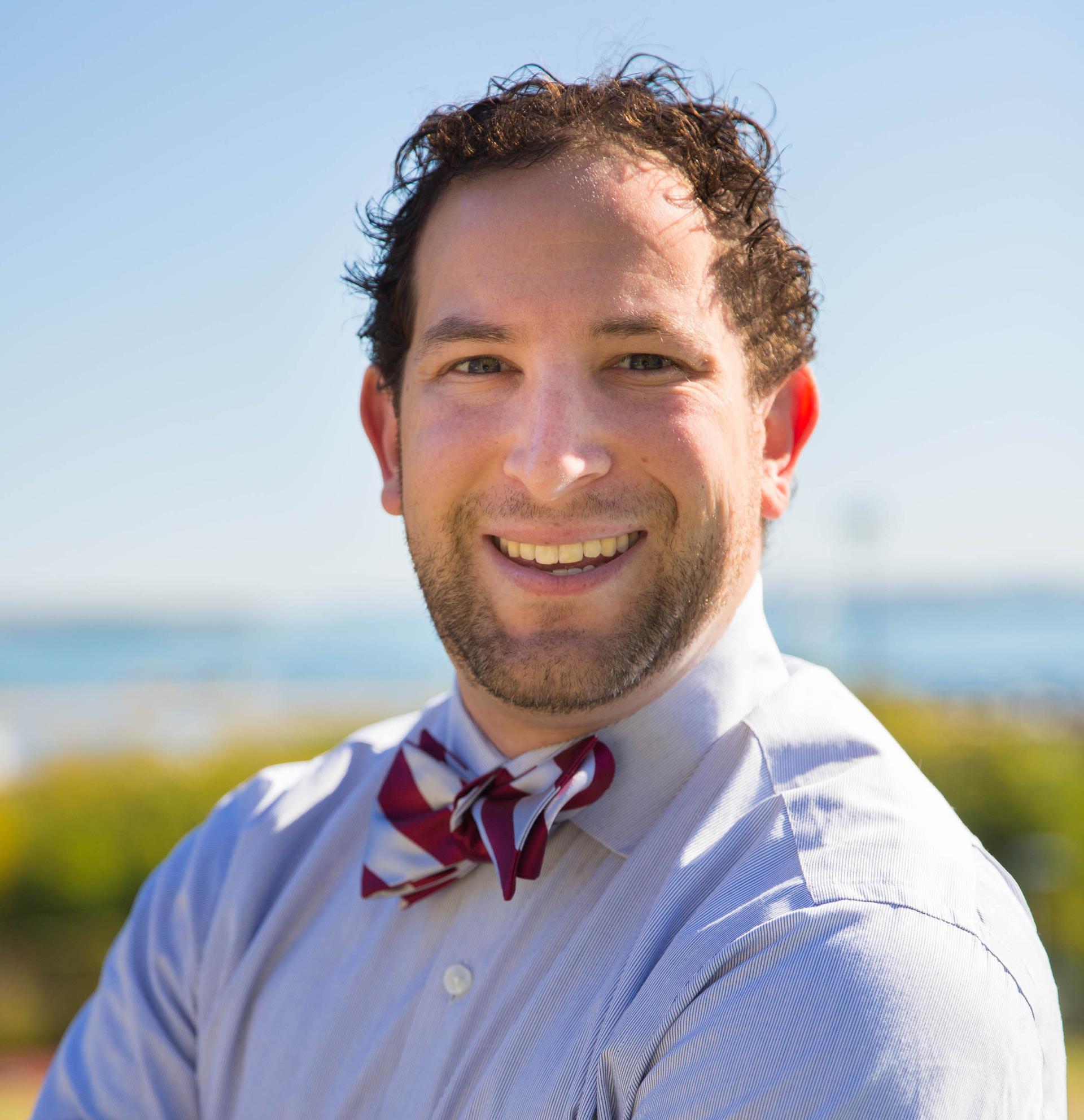
Facilitating Effective Training: Utilizing Experiential Learning and Reflective Dialogue
This Leadership Trainer pre-conference workshop will provide participants with a hands-on opportunity to learn the strategies for consistently high-impact trainings. Research suggests that most of us rarely learn how to facilitate trainings. We do what is comfortable and familiar - boring lecture-style slide deck presentations, which are ultimately ineffective. This train-the-trainer pre-con will prepare you to tactically infuse experiential learning activities and reflective dialogue into your sessions so students can internalize learning and then apply it to their practice.
Pre-Con Lead: Jonathan Kroll, PhD Founder & Executive Director of Leadership Trainer
Jonathan is an acclaimed leadership educator, entrepreneur, scholar, and author. He is the founder and executive director of Leadership Trainer, a 501(c)(3) nonprofit organization transforming the leadership landscape through trainer preparation. Jonathan has previously served as the founding Program Director and Assistant Teaching Professor of the Professional Leadership Studies program at the University of Rhode Island.
Jonathan is the award-winning author of Preparing Leadership Educators: A Comprehensive Guide to Theories, Practices, and Facilitation Skills and has facilitated hundreds of leadership workshops, retreats, trainings, and conference presentations to 1,000s of participants across 5 continents. Jonathan has a PhD from Fielding Graduate University in Leadership. He coaches, consults, writes, teaches, and trains about leadership and training/facilitation.
Registration Fee: FREE
The call for programs has now closed. Thank you to folks who submitted proposals!
The call for reviewers has now closed. Thank you to folks who signed up to serve as reviewers!