There was a time when “good networking opportunities” were enough.
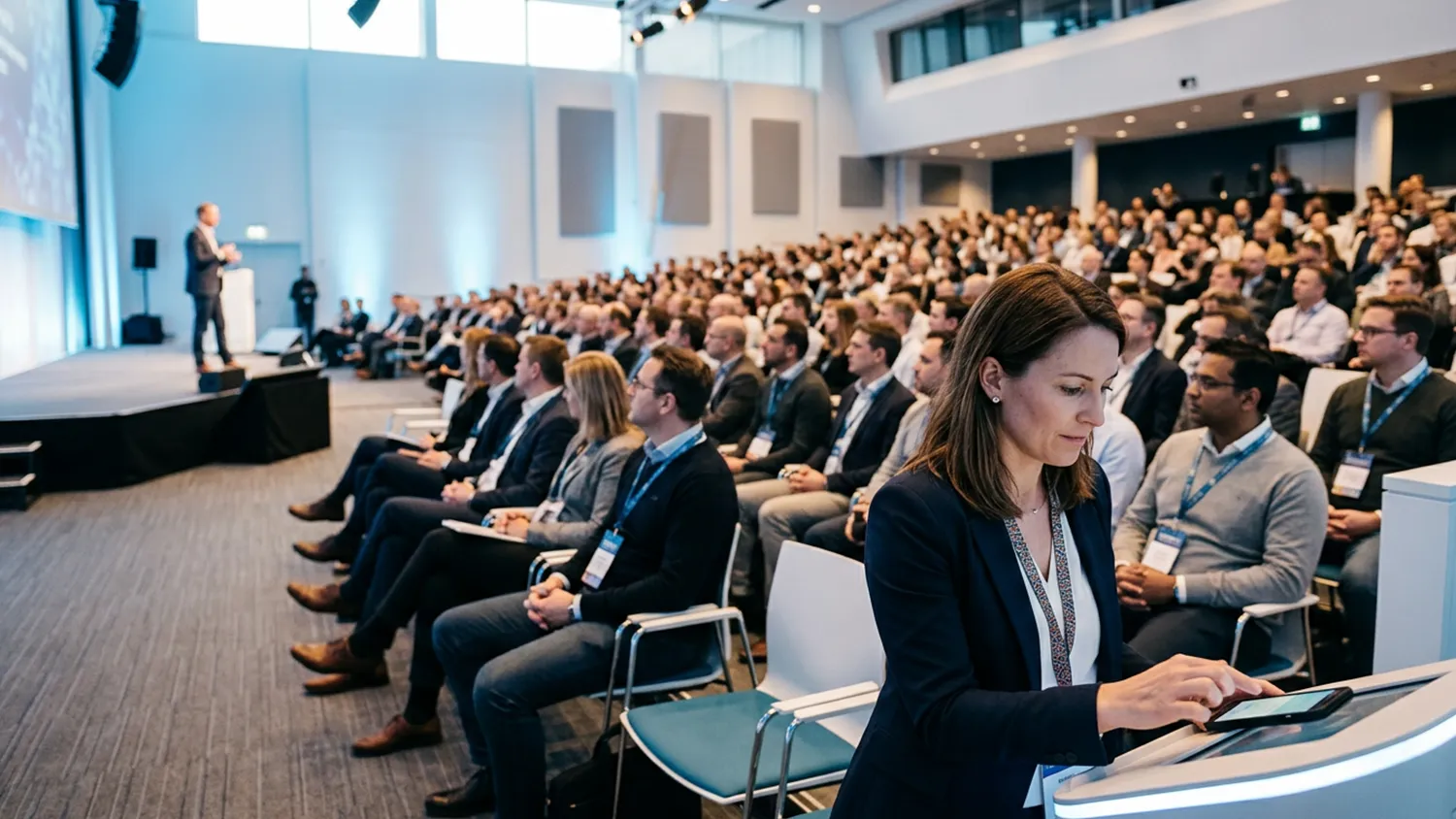
You could fill a floor, put the right brands in the room, and trust that enough of the right people would bump into each other to make the event feel valuable. That model has not disappeared, but it is under more pressure than ever.
Today, content can be accessed from anywhere. Buyers can research vendors without traveling. Sponsors are under more scrutiny. Exhibitors are expected to show measurable return, not just brand presence. Planners are being asked to prove that the event created real business outcomes, not just traffic.
That shift is exactly why demand for Hosted Buyer Software for event organizers is growing, and why Accelevents built Hosted Buyer software now.
If you are new to the concept, our full overview of Hosted Buyer Programs covers the operational basics. This article focuses on the bigger question behind the feature launch: why this model matters more now, and why we believe the market needed a better way to run it.

The old model depended on chance. The new model depends on intent.
At many B2B events, the most valuable outcomes are still the simplest ones: the right buyer meets the right seller, at the right time, with enough context to have a serious conversation.
The problem is that traditional event formats often leave too much of that to chance.
A booth might get foot traffic, but not the right foot traffic. A sponsor might generate awareness, but struggle to connect that investment to sales pipeline. A buyer might attend with real purchasing intent, but spend most of the event sorting through noise instead of finding the few partners that actually fit.
Hosted Buyer Programs change that equation.
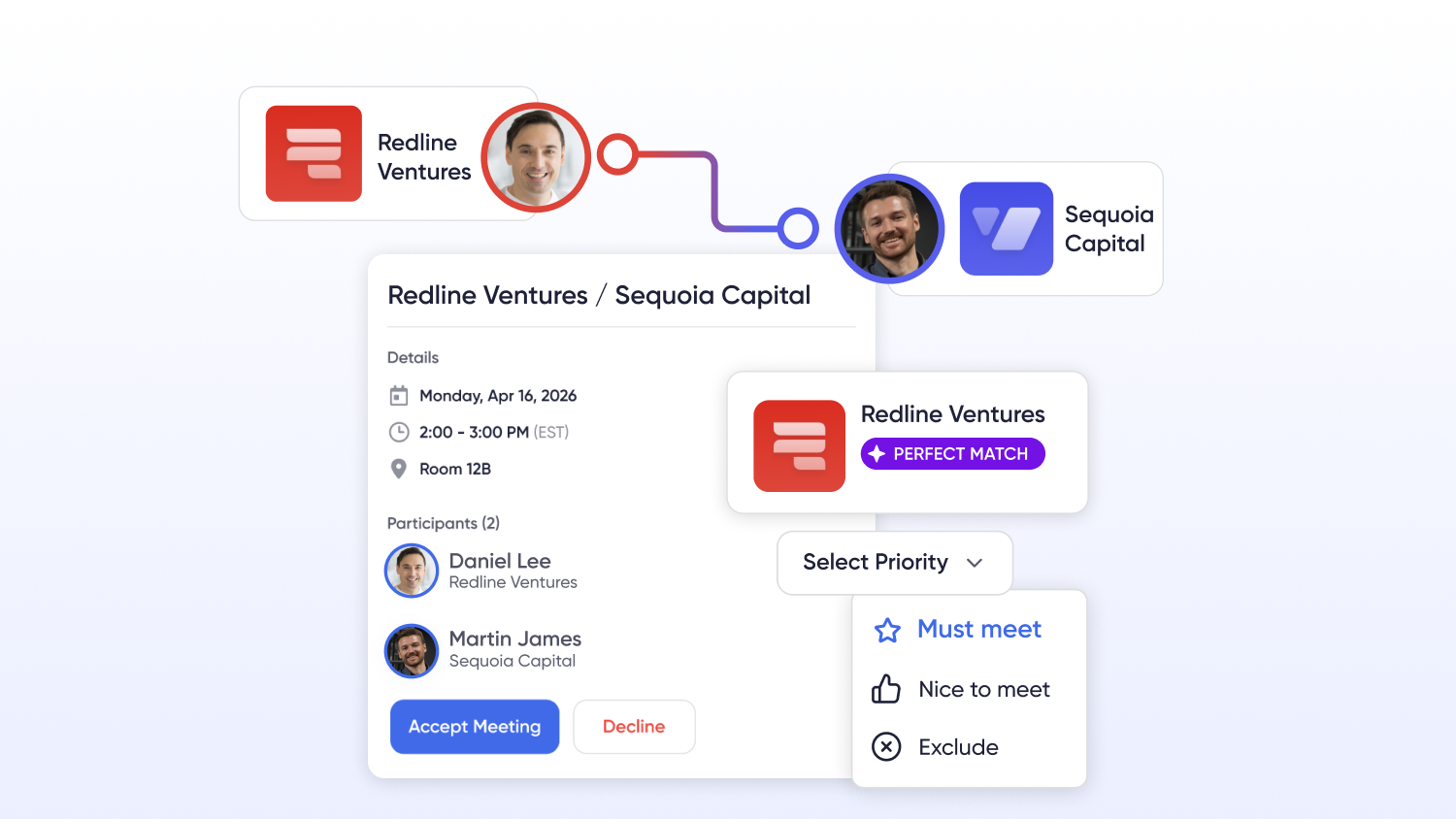
Instead of hoping the right conversations happen, planners can design them. Buyers are qualified in advance. Sellers know who they are trying to meet. Preferences can be collected before the event. Meeting inventory can be managed intentionally. The result is a program built around mutual relevance rather than randomness.
That is the real appeal of a hosted buyer program. It is not just faster networking. It is a more accountable event model.
Why the timing matters now
We did not build Hosted Buyer because it was trendy. We built it because multiple market shifts were colliding at once.
1. The value of in-person events is concentrated around high-quality meetings
When on-demand content, webinars, and digital outreach are always available, people do not travel just to consume information. They travel to make progress.
That means the strongest event experiences are increasingly built around access, curation, and momentum. Not just who is in the building, but who is meeting whom, why they are meeting, and whether those conversations lead somewhere meaningful.
Hosted buyer fits that reality especially well because it turns event value into something more concrete. Buyers get a more efficient sourcing experience. Sellers get scheduled conversations with people who match their target profile. Planners get a format that is easier to position, package, and measure.
In other words, it aligns the event experience with the way teams are now being asked to justify time and spend.
2. Sponsors and exhibitors need clearer returns
One of the clearest themes behind hosted buyer demand is pressure on sponsor and exhibitor ROI.
A booth alone can be hard to defend. Brand visibility matters, but many teams now need more direct proof of value. They want to know how many meaningful conversations happened, whether the right prospects showed up, and whether the event created sales momentum.
A hosted buyer program gives planners a cleaner answer.
Instead of selling only square footage or logo placement, you can package access to qualified meetings. That makes sponsorship easier to understand and easier to defend internally. It also creates a stronger path to returning sponsors and exhibitors because value is tied to outcomes people can actually count on.
That is a big reason the model is gaining traction. It gives planners another way to make sponsor investment feel less speculative and more intentional.
The market gap was obvious: too many tools handled meetings, but not the event
As we looked more closely at Hosted Buyer Programs, one problem kept showing up.
Most tools in the space handle part of the workflow well, usually the meeting and matchmaking piece, but not the full event journey. Registration lives in one platform. Qualification happens in forms or spreadsheets. Exhibitor data sits somewhere else. Lead capture is disconnected. Reporting has to be stitched together manually after the fact.
For planners, that creates friction at exactly the wrong moment.
Instead of running one coordinated program, they are managing handoffs between systems. That means duplicate data, manual imports, reporting blind spots, and a higher chance for things to break before the event occurs.
This was one of the biggest reasons we moved forward.
Hosted buyer is not just a meeting problem. It is a workflow problem. If registration, exhibitor management, scheduling, onsite execution, and reporting are separated, the program becomes harder to scale and harder to trust.
That is why Accelevents approached hosted buyer as part of a unified event experience, not a standalone scheduling add-on.
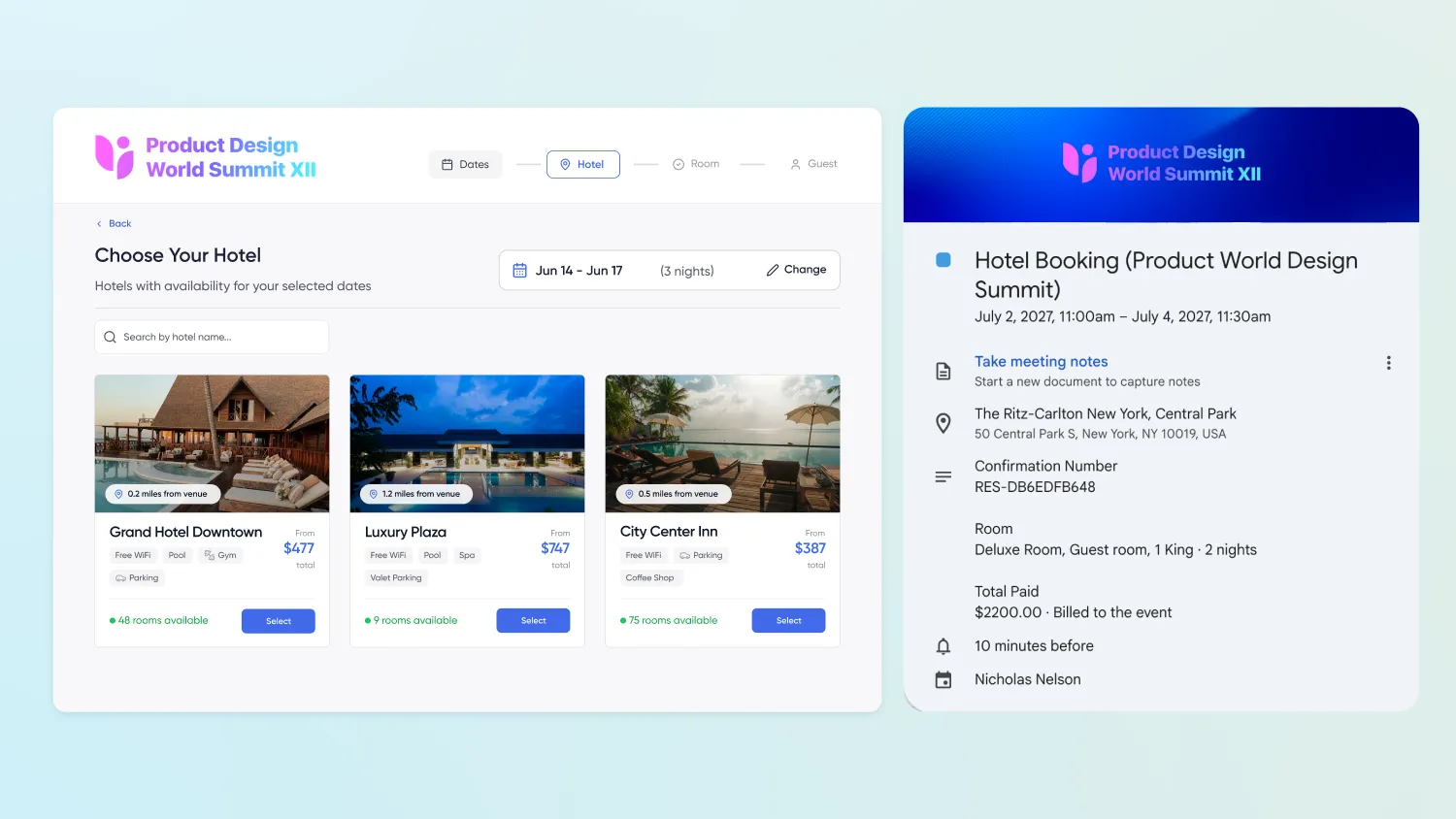
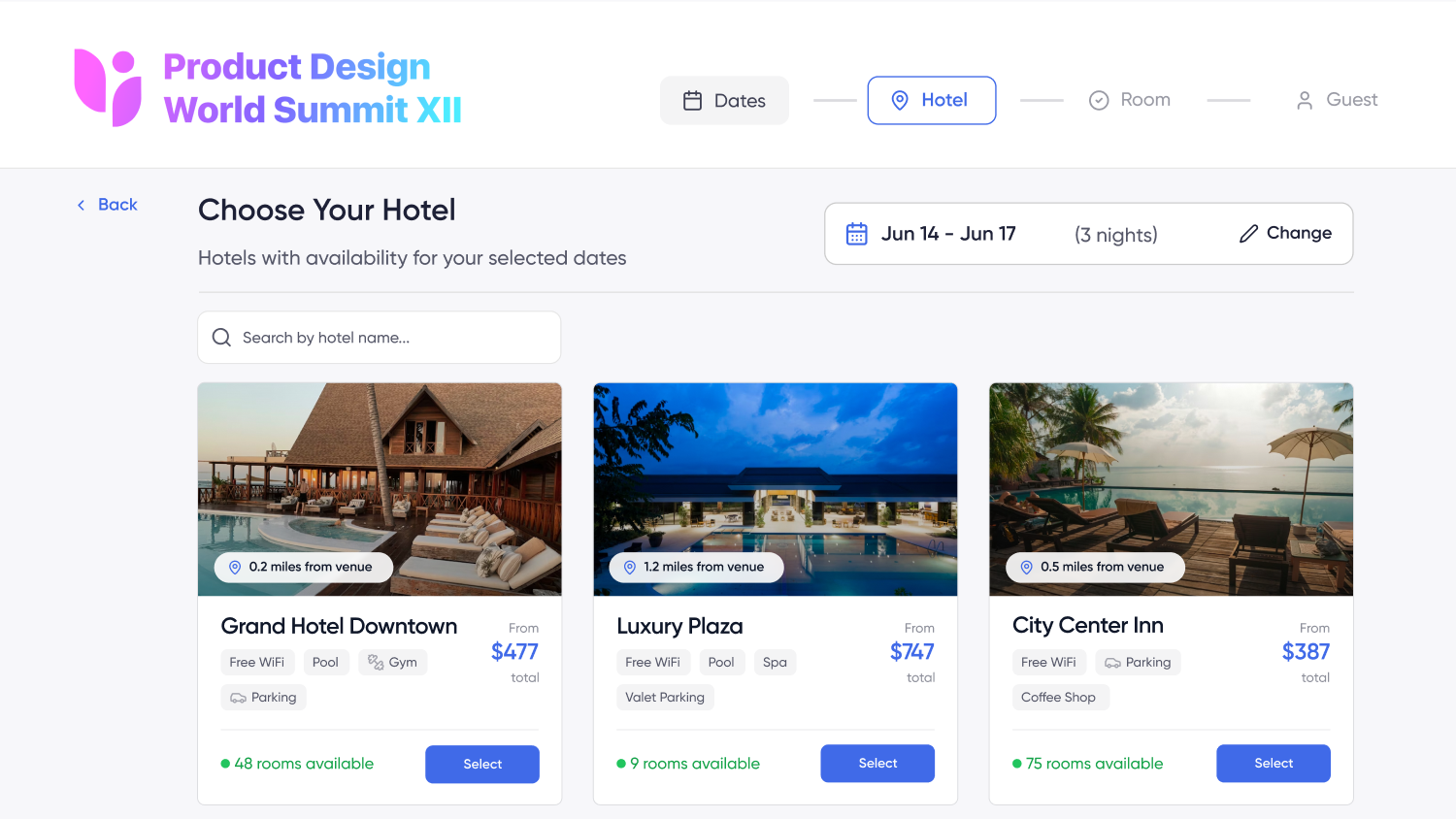
With Accelevents, teams can connect ticketing and registration, Hosted Buyer workflows, meeting scheduling, and exhibitor management inside one system. That matters because the most common hosted buyer headache is not a lack of interest. It is operational fragmentation.
We also saw a regional shift that felt bigger than one feature request
Hosted buyer has had strong roots in Europe for years, particularly in event categories where pre-scheduled meetings are central to the business model. But what we saw more recently was not just continued interest in that format. We saw growing demand for a better version of it.
Planners were not asking for “another matchmaking tool.” They were asking for a simpler way to run the entire program without forcing attendees, exhibitors, and internal teams across disconnected systems.
That distinction matters.
When a category matures, buyers stop looking only for feature parity. They start looking for fewer workarounds. Fewer exports. Fewer operational risks. Fewer places where data gets lost, or context disappears.
That is the timing story behind this launch. The need was no longer theoretical. The pain was active, specific, and repeated often enough that building a unified solution became the obvious next move.
Hosted buyer only works if fulfillment works
There is another reason we took this seriously: the hosted buyer promise is powerful, but it is also fragile.
If an exhibitor buys access to guaranteed meetings and those meetings are poorly matched, last-minute, or underfilled, the entire model starts to erode. The issue is not the concept. The issue is execution.
That is why hosted buyer software has to do more than let people request meetings.
It has to help planners:
- qualify the right participants
- collect meaningful preferences
- control meeting caps and priorities
- schedule against real constraints
- reduce double booking and no-shows
- keep everyone aligned before and during the event
- measure what actually happened
The better the system handles those operational details, the more credible the program becomes.
That credibility is what makes hosted buyer expandable. It is how a planner moves from “we tried a matchmaking add-on” to “this is now a core revenue stream and a differentiator for our event.”
Why Accelevents was the right company to build this
We did not build Hosted Buyer in isolation. We built it from the same product philosophy that guides the rest of the platform.
Accelevents was built to help teams run events without stitching together a stack of disconnected tools. That matters here because Hosted Buyer Programs touch almost every part of the event lifecycle, from registration and qualification to onsite meetings and post-event reporting. Accelevents is positioned as an easy-to-use, enterprise-ready platform that centralizes event workflows and reduces vendor overhead, which is exactly the kind of foundation a hosted buyer experience needs.
That foundation matters even more when the stakes are high. Hosted buyer is often tied directly to sponsor packages, premium experiences, and high-value relationships. It cannot feel bolted on. It has to feel operationally sound.
For us, that made Hosted Buyer a natural extension of the platform, not a side feature.
Putting it together
We built Hosted Buyer software now because the event industry has moved into a more intentional era.
Content alone is no longer enough to justify travel. Serendipity alone is no longer enough to satisfy sponsors. And disconnected tools are no longer enough to support a program where meeting quality and fulfillment directly affect revenue.
Hosted Buyer Programs answer a very current need. They help planners turn event value into something more structured, measurable, and repeatable.
And Accelevents was built for that need because the gap was clear: planners wanted one place to manage qualification, scheduling, onsite execution, and follow-through, not another tool that solved only one slice of the workflow.
That is the “why.”
The “why now” is even simpler.
The market stopped asking whether better meetings matter. It started asking which platform can actually deliver them cleanly.
Request a demo to see how Accelevents helps you run Hosted Buyer Programs without adding more moving parts.
FAQs
Why are Hosted Buyer Programs becoming more important for B2B events?
Hosted Buyer Programs are becoming more important because many B2B events are being asked to prove business value more directly. When buyers and sellers are matched intentionally, it becomes easier to show sponsor return, improve attendee satisfaction, and create outcomes that go beyond booth traffic.
When should an event team add a Hosted Buyer Program?
A Hosted Buyer Program makes the most sense when your event depends on high-value meetings, premium sponsorship packages, or curated sourcing experiences. It is especially useful when exhibitors want clearer returns and buyers need a more efficient way to find relevant partners.
What problems does hosted buyer software solve for planners?
Hosted buyer software helps planners manage qualification, preferences, scheduling, meeting fulfillment, and reporting in a more structured way. It also reduces the manual work that usually comes from stitching together separate systems for registration, matchmaking, and onsite execution.
How is Accelevents different from hosted buyer tools that only handle meetings?
Accelevents approaches hosted buyer as part of the full event workflow, not as a standalone scheduling utility. That means teams can connect registration, exhibitor workflows, meetings, onsite operations, and reporting in one system instead of managing those processes across multiple vendors.
Can Hosted Buyer Programs work for events beyond trade shows?
Yes. While trade shows are a natural fit, Hosted Buyer Programs can also work for conferences, sourcing events, investor meetings, and other formats where curated one-to-one conversations are central to the experience. The model is useful any time structured introductions create more value than open-ended networking alone.